Diploma in Mechanical Engineering
Course Summary
Diploma in Mechanical Engineering is a 3-year diploma program for candidates who have completed their Class 10 and want to pursue Mechanical engineering as a career. It is a reputable diploma program that offers several job opportunities to young students. It is a diploma-level engineering program that focuses on designing,
constructing, and maintaining physical and naturally-built environments such as bridges, roads, canals, and buildings. and dams. It can be both an online Diploma in Mechanical Engineering and an offline Diploma in Mechanical Engineering.
Our Faculties









Eligibility Criteria
The minimum eligibility criteria to apply for Diploma in Mechanical Engineering are given below:
- The candidate must have passed Class 10th from a recognised board.
- He/ She must have studied Science and English in qualifying examination with Mathematics as one of the subjects,
- The minimum percentage required for admission is 50% in Class 10th board.
- Relaxation is given to candidates with sports quota, PwD or reserved category candidates.
Admission Process
Most of the institutes in India accept admission in Diploma in Mechanical Engineering on a merit basis. Candidates must meet the minimum eligibility criteria and based on his/her performance in Class 10th, he/she is considered for admission.
However, certain institutes may conduct their own entrance examination based on the Class X syllabus to consider admission to Diploma in Electrical Engineering.
Candidates interested in studying Diploma in Electrical Engineering must apply at the respective institute by filling out the application form and completing the admission process for admission.
Documents Required
The minimum eligibility criteria to apply for Diploma in Mechanical Engineering are given below:
- The candidate must have passed Class 10th from a recognised board.
- He/ She must have studied Science and English in qualifying examination with Mathematics as one of the subjects,
- The minimum percentage required for admission is 50% in Class 10th board.
- Relaxation is given to candidates with sports quota, PwD or reserved category candidates.
Syllabus
- Applied Physics I
- Applied Chemistry I
- Applied Mathematics I
- Basics of Information Technology
- Engineering Drawing I
- English and Communication Skills
- Workshops
- Labs
- Applied Physics II
- Applied Chemistry II
- Applied Mathematics II
- Engineering Drawing II
- Environmental Studies
- Workshops
- Labs
- Applied Mechanics
- Automobile engineering Drawing
- Thermal and Hydraulic engineering
- Electrical and electronics
- Automotive materials
- Workshops
- Labs
- Auto Engine
- CAD in automobile engineering
- Strength of Material
- Chassis body and transmission
- Workshop technology
- Workshops
- Auto Electrical and Electronics equipment
- Auto engine II
- Auto Repair Maintenance
- Basics of management
- Basics of design
- Projects
- Auto Repair Maintenance II
- Vehicle and transport management
- Elective subjects
- Tractor and heavy machinery
- General and entrepreneurship skills
- Projects
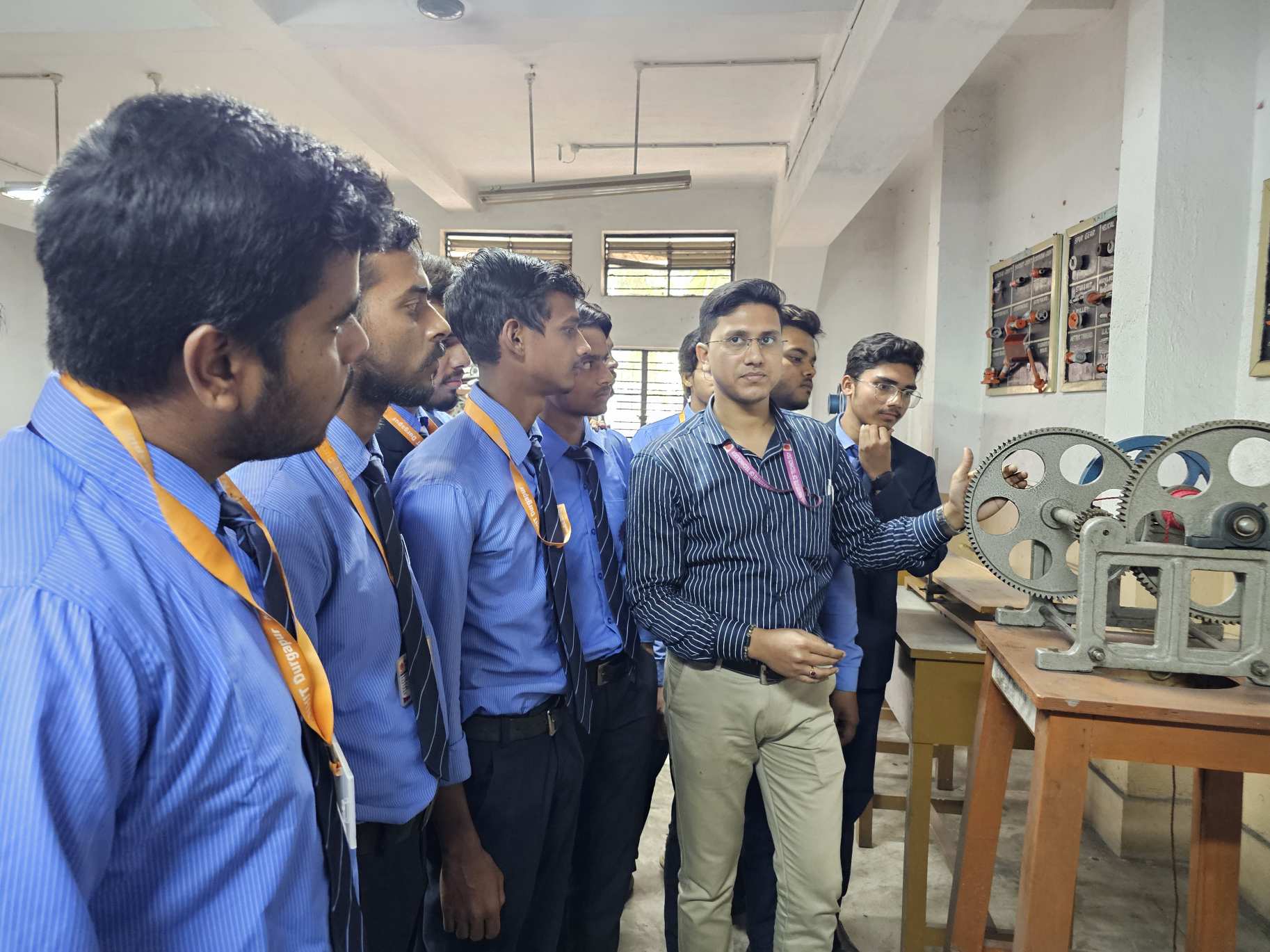
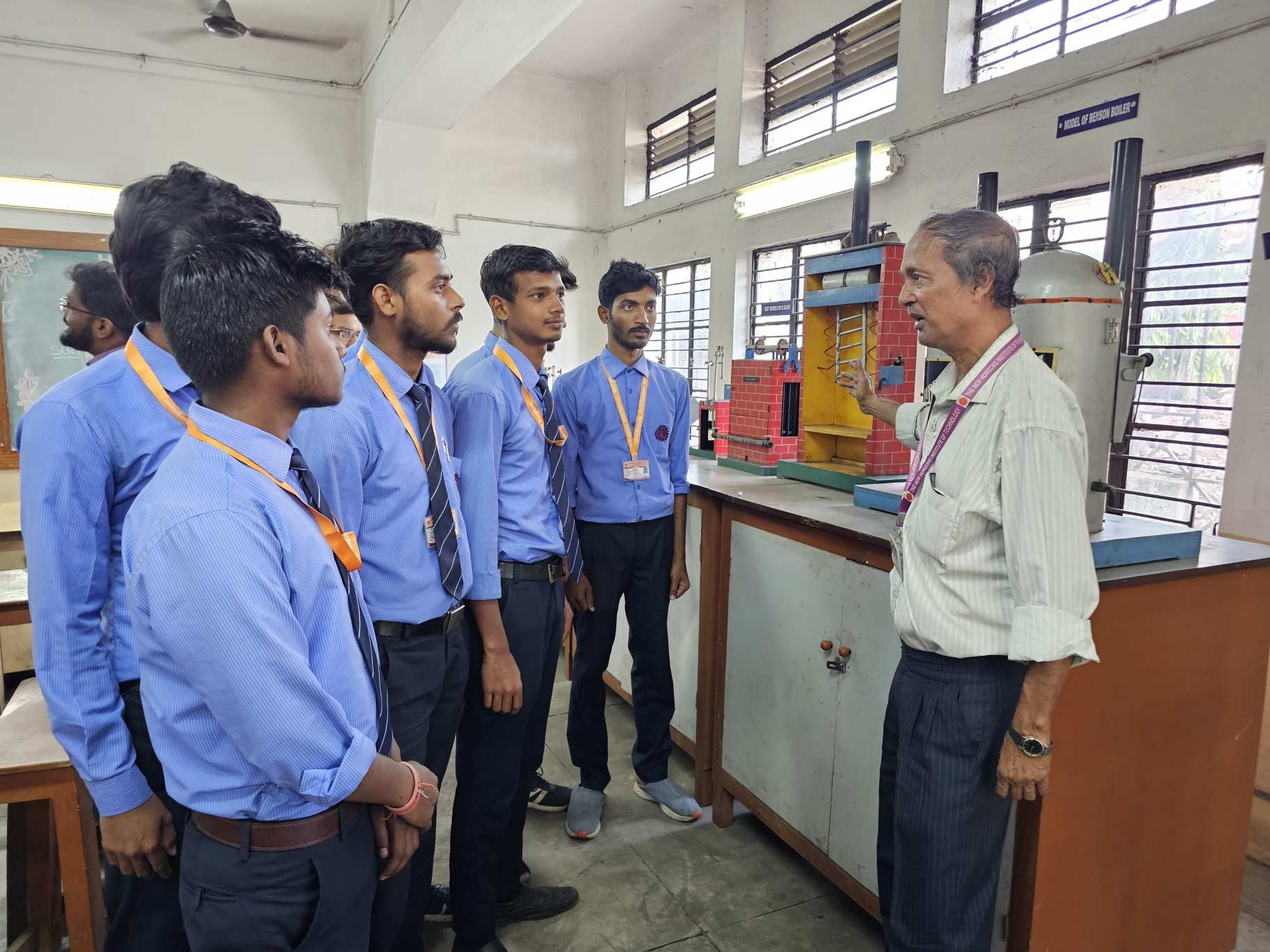
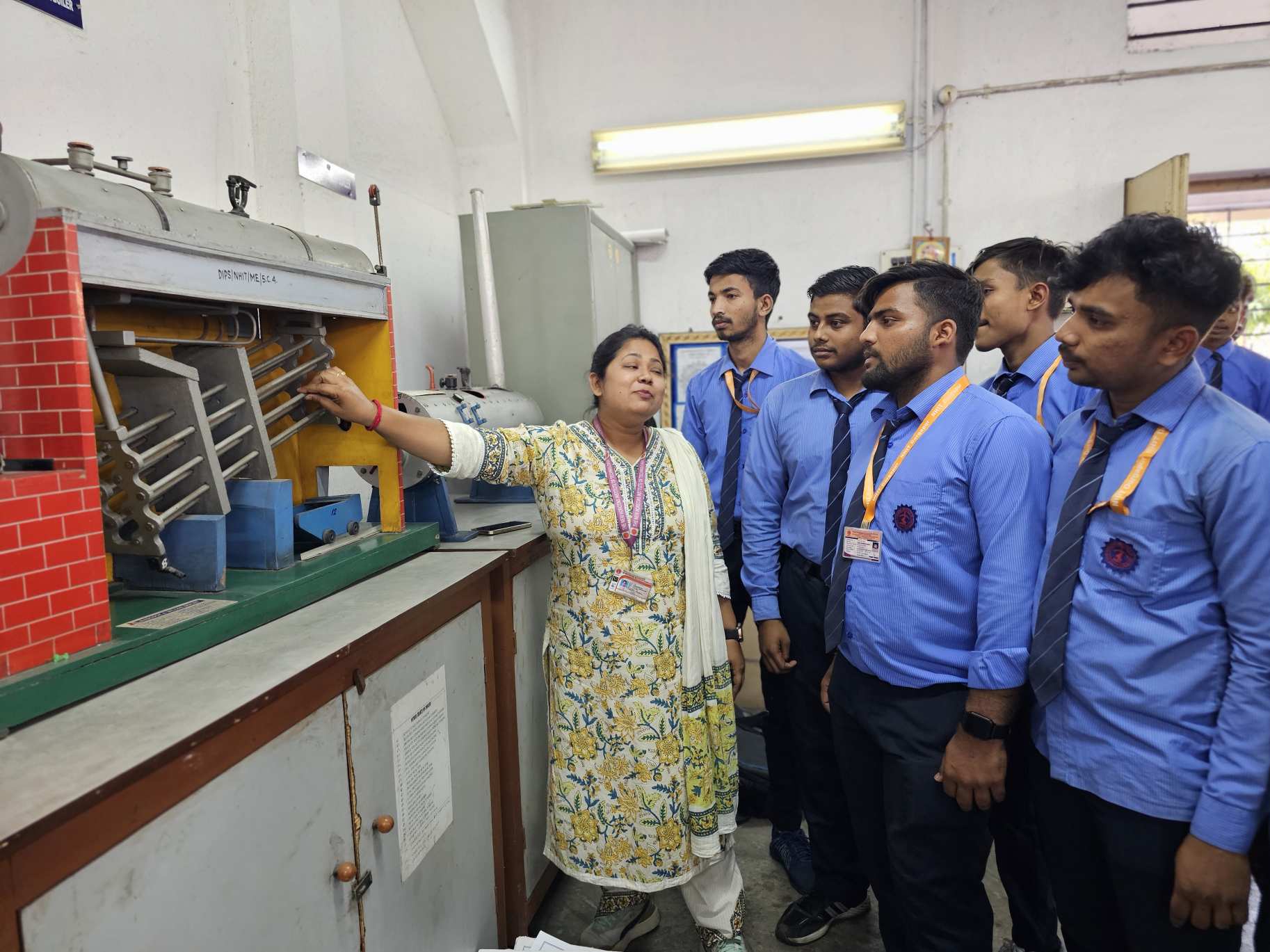
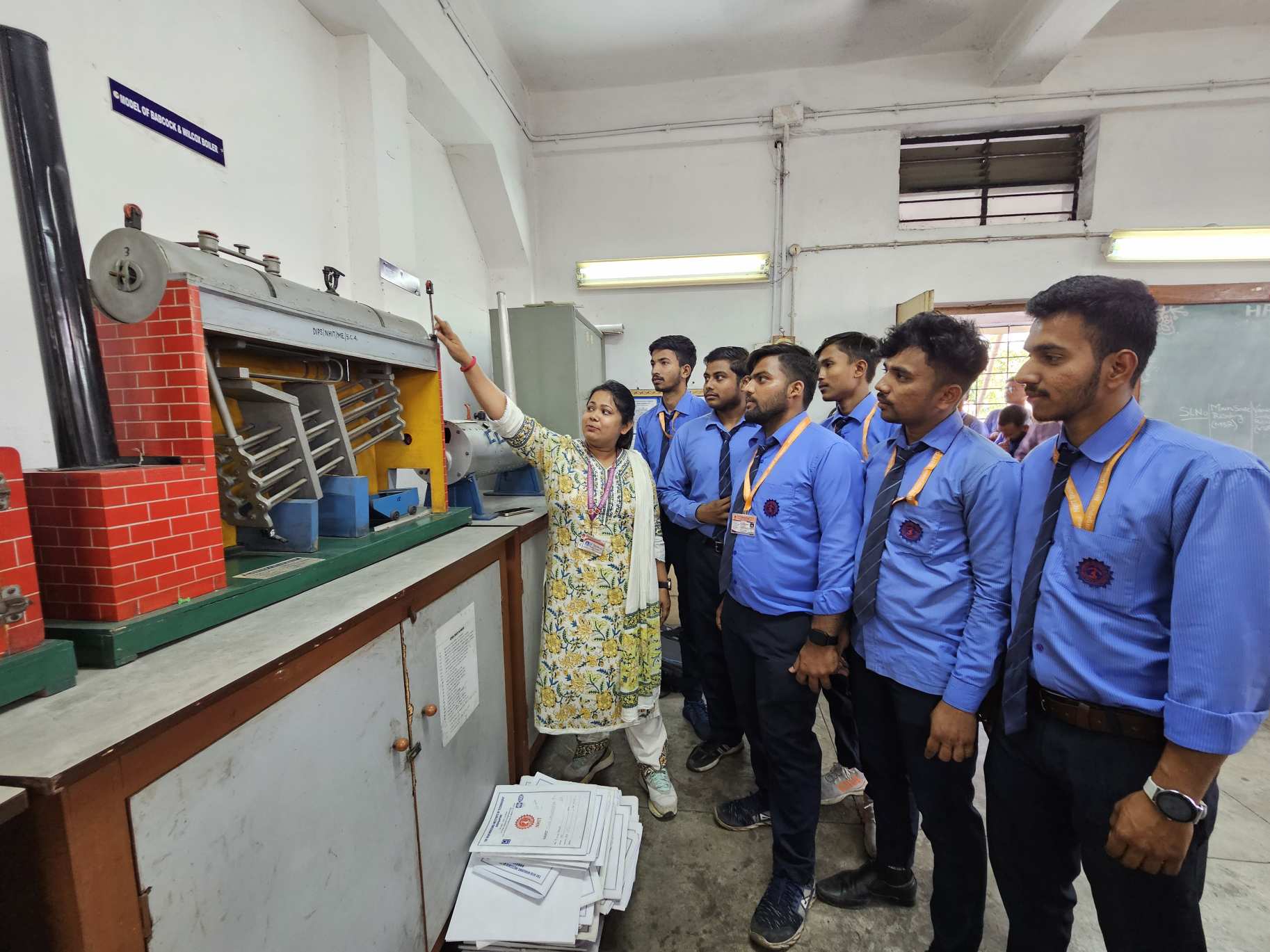
Infrastructure
- APPLIED CHEMISTRY LAB
- CNC LAB
- ENGINEERING MECHANICS LAB
- ENGINEERING METROLOGY & MECHANICAL MEASUREMENT LAB
- FLUID MECHANICS & MACHINERY LAB
- MATERIAL TESTING LAB
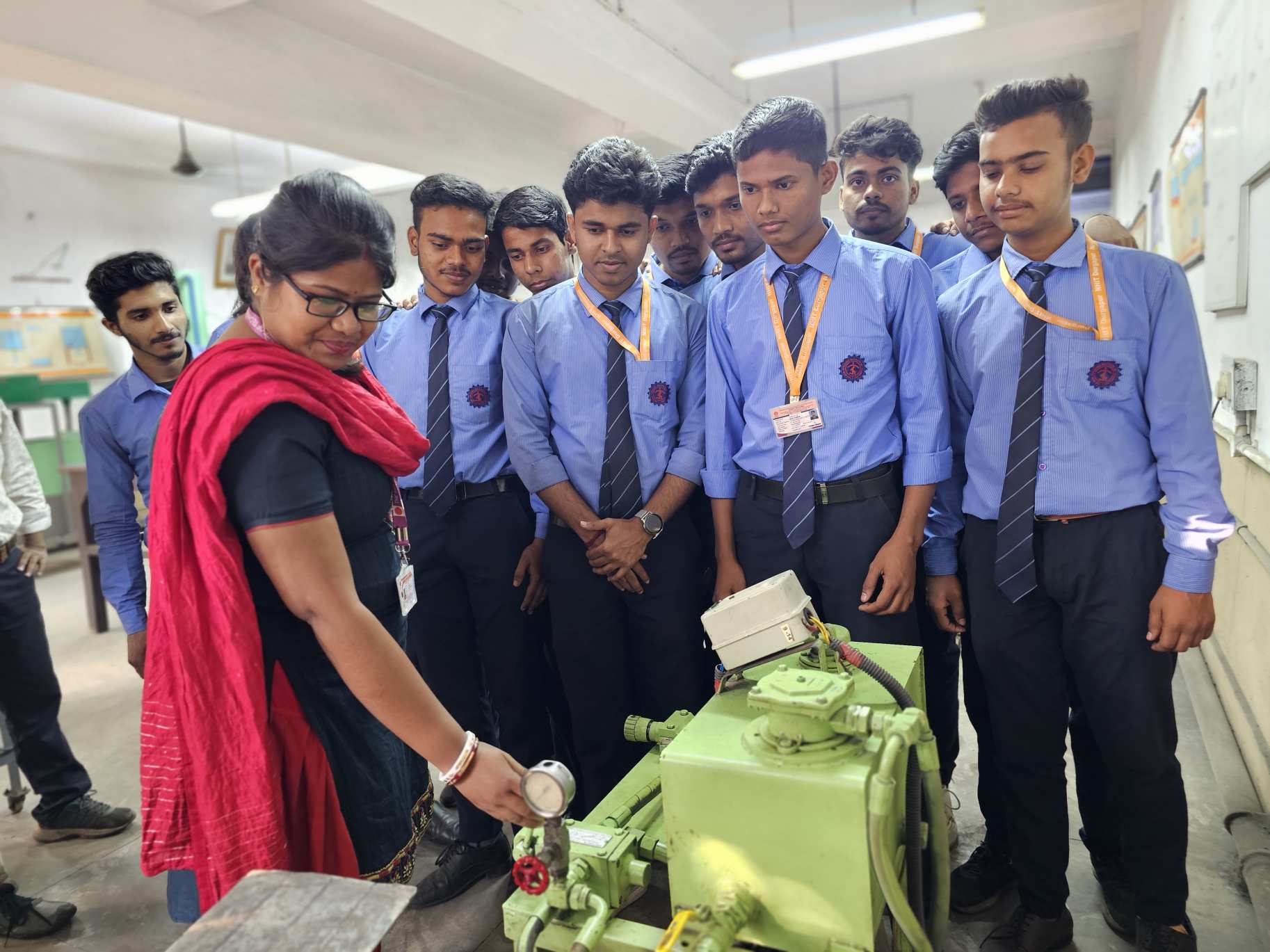
- OIL HYDRAULICS & PNEUMATICS LAB
- POWER ENGINEERING LAB
- THERMAL ENGINEERING LAB
Career Options and Job Prospects
After the completion of a Diploma in Mechanical Engineering course, a candidate can choose from a list of job roles which is given below:
- Automobile Mechanic
- Automobile Technician
- Quality Engineer
- Design Engineer
- Production Engineer
- Automobile Maintenance Engineer
- Engineer Trainee
Some of the top recruiters of Diploma in Automobile Engineering candidates include Mahindra & Mahindra, Maruti Suzuki, Bajaj, Hero Motocorp Ltd, Honda, TELCO etc.
FAQs
The Diploma in Mechanical Engineering at NHIT is a three-year program, divided into six semesters. Each semester includes a combination of theoretical and practical subjects related to mechanical engineering.
To enroll in this course, candidates must have completed their 10th standard (or equivalent) from a recognized board. A strong foundation in mathematics and science is recommended.
Graduates can pursue various roles such as Mechanical Engineer, Production Engineer, Quality Control Engineer, Maintenance Engineer, and Design Engineer. Further education options include pursuing a Bachelor’s degree in Mechanical Engineering.
The curriculum covers subjects like Engineering Mechanics, Thermodynamics, Fluid Mechanics, Manufacturing Technology, Machine Design, and CAD/CAM. Practical labs and workshops are crucial components of the course.
Yes, the course offers extensive practical training through labs and workshops. Students are also encouraged to participate in internships during the later semesters to gain real-world experience in the mechanical engineering industry.